Travel eSIMs and top-ups, paid for with crypto
Data plans and airtime, worldwide
Travel data and airtime, paid for in crypto. An eSIM is a data plan you install on your own phone — the QR code is emailed to you, you scan it, and your phone has data the moment you land, with no roaming bill and no queue in a carrier shop.
Mobile top-ups are a different thing entirely: credit applied directly to a phone number, often someone else's in another country. Both are covered here, and the difference matters more than it looks.

Europe travel eSIM
Data across 30+ European countries. QR emailed, no roaming bill.
from $12.00
Global travel eSIM
One eSIM across 100+ countries, for multi-stop trips.
from $24.00
International mobile top-up
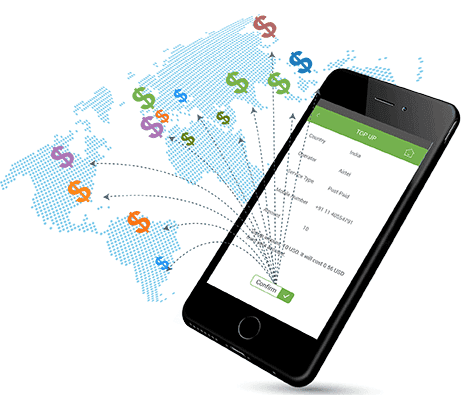
Airtime credited straight to a mobile number, worldwide.
from $12.00
USA travel eSIM
Data across the United States. QR emailed, works the moment you land.
from $14.00
Install an eSIM before you fly
This is the one piece of timing that strands people. Downloading an eSIM profile requires a working internet connection, so waiting until you land means needing data to get data — and airport wi-fi that wants an SMS code you cannot receive is a genuinely common way to be stuck.
On most plans the validity clock starts when the profile first connects to a network in the destination, not when you scan the code. So installing at home on wi-fi costs you nothing. Scan it the day before you travel and leave it switched off until you arrive.
Check your phone before you buy
Two requirements: the handset must support eSIM, and it must not be carrier-locked. Most iPhones from the XS onward and most recent Android flagships support it, but a locked phone will refuse the profile even when the hardware is capable — which surprises people who have never tried to use a second line. If your phone refuses it, tell us and you get a refund rather than an argument about whose lock it is.
Regional or global
A regional plan is cheaper per gigabyte; a global plan is one profile that keeps working as you cross regions. If your whole trip is inside Europe or the United States, buy the regional plan rather than paying the global premium for coverage you will not use. The global plan earns its price on multi-stop trips and on trips where the itinerary is genuinely still open.
Whichever you choose, check the covered-country list against your actual route rather than the headline number. A hundred countries is a large number that may still exclude yours.
What an eSIM will not do
These are data plans. You do not get a local phone number, which matters more than people expect — an SMS verification code from a bank or an airline needs a real line, and a data-only profile cannot receive one. Calls and messages through WhatsApp, Signal or FaceTime work perfectly well on the data. Keep your usual SIM in the phone for your own number, and turn its data roaming off so your home carrier cannot bill you alongside the plan you just bought.
How much data you actually need
Most people over-buy. Maps, messaging and email are small; the things that consume a plan are video, photo backup and app updates. A fortnight of ordinary travel use — navigation, messaging, a few searches, occasional social media — usually fits inside five gigabytes. If you stream anything, or your phone backs up photos automatically over cellular, that number doubles or worse.
Two practical settings before you go: turn off automatic photo backup over cellular, and download your maps and playlists on wi-fi. Doing both is often the difference between a five-gigabyte plan being generous and being gone by day four. If the allowance does run out, the plan simply stops — there is no overage billing, because there is no payment method attached to it.
Top-ups cannot be undone
Airtime is applied directly to a live line, so the number and the operator have to be right the first time. Number portability means the network a number originally belonged to is often not the network it is on today, and credit sent to the wrong operator cannot be recalled by anyone. We read the digits back to you before sending anything, and if something looks wrong we will ask rather than guess.
Questions
When should I install a travel eSIM?
Before you fly, on wi-fi at home. Downloading the profile needs a connection, and on most plans the clock starts when it first connects abroad — not when you scan the code.
Will it work on my phone?
It needs eSIM support and no carrier lock. Most iPhones from the XS onward and recent Android flagships qualify. If your phone refuses the profile, tell us and we refund you.
Do I get a phone number with an eSIM?
No. These are data-only, so they cannot receive SMS verification codes. App-based calls and messages work normally.
Regional or global?
Regional is cheaper per gigabyte and right for a single-region trip. Global earns its premium only when you are crossing regions.
Can a mobile top-up be reversed?
No. Airtime is applied to a live line and no operator will claw it back, which is why we read the number and operator back before sending.
What do you need to send a top-up?
The full number in international format with the country code, plus the operator name. Portability means the original network is often not the current one.